WPAC Expands International Reach with New Website and Japanese Market Awareness Campaign

Wood Pellet Association of Canada (WPAC) is making strides in international market engagement with the launch of a multi-lingual website and a targeted Japanese market awareness campaign. Recognizing the importance of export markets—particularly in Asia, where Japan is Canada’s largest customer—WPAC’s website is now available in Japanese, Traditional Chinese, and Korean. This initiative ensures that key international stakeholders […]

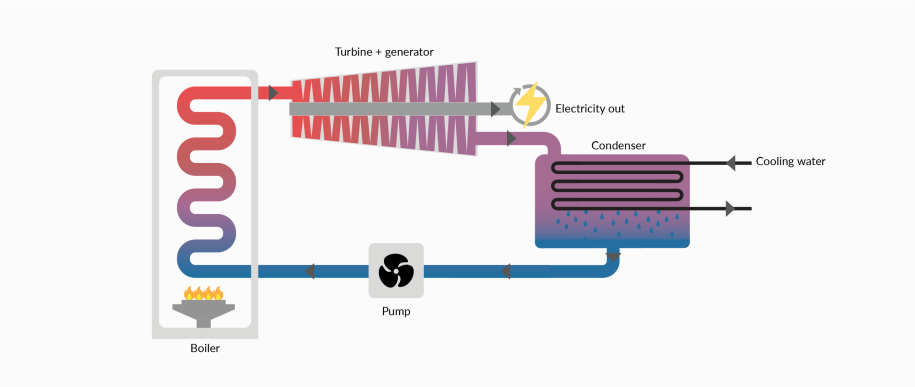
Combined Heat & Power 101

The Wood Pellet Association of Canada (WPAC) recently partnered with the Arctic Energy Alliance (AEA) to produce 2025 Northwest Territories Biomass Week, a five-day event designed to help pellet producers, equipment manufacturers, installers, regulators, researchers, academia, governments and others to learn more about how biomass is transforming the way we think about energy, especially in […]

Bioenergy Carbon Capture and Storage (BECCS): The Basics and Its Role in Canada

Bioenergy with carbon capture and storage (BECCS) is increasingly making headlines. In January, I provided an overview of BECCS at the Arctic Energy Alliance 2025 Northwest Territories Biomass Week. What is BECCS? BECCS is a technology that combines bioenergy production (using biomass as fuel) with carbon capture and permanent storage. It captures biogenic carbon dioxide […]

Supporting Japan’s Climate Goals with Canadian Wood Pellets

By Gordon Murray, Executive Director, Wood Pellet Association of Canada In November 2024, I was part of an Alberta forest industry Trade Mission to Japan led by the Honourable Todd Loewen, Minister of Forestry and Parks. Participants included Alberta ministry officials and wood products manufacturers, as well as Canada Wood and the Alberta Forest Products […]

WPAC’s Safety Committee: Helping Make the Industry Safer for Over a Decade

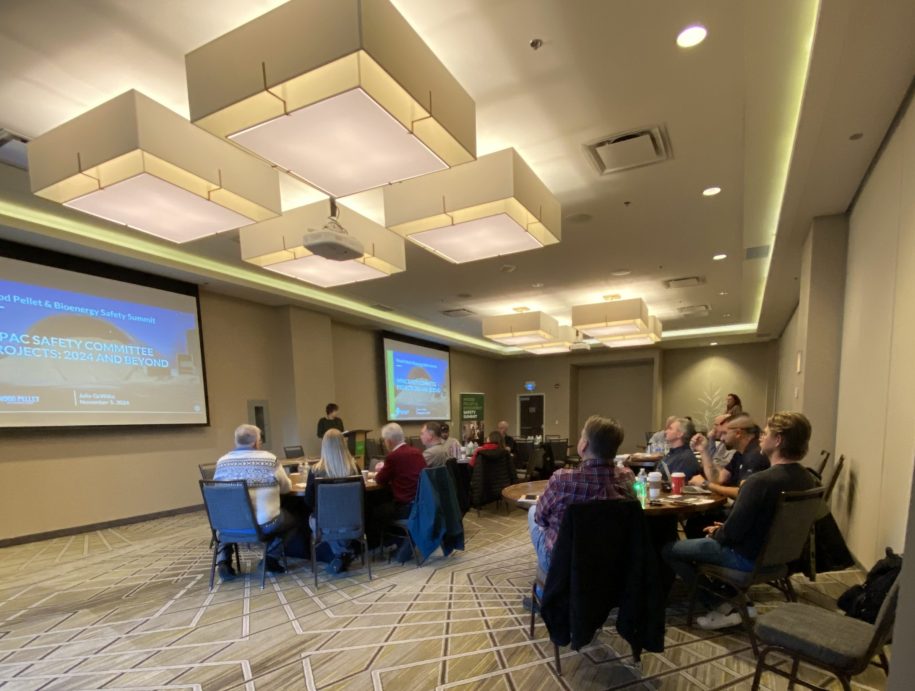
By Gordon Murray, Executive Director, Wood Pellet Association of Canada. I can’t believe it has been over a decade since the Wood Pellet Association of Canada’s (WPAC’s) Safety Committee was established. Our initial focus was combustible dust in response to tragic sawmill explosions in British Columbia. Over the years, activities have expanded to all health […]

WPAC’s Latest Safety Hero: Brian Penney, Safety Manager at Drax Entwistle

Congratulations to Brian Penney, Safety Manager at Drax’s Entwistle facility in Alberta, the latest Wood Pellet Association of Canada Safety Hero. Brian’s outstanding contributions have made the workplace safer and better for his colleagues. Brian continuously meets monthly safety objectives and supports the facility’s 55 employees to ensure objectives are met. An example of his […]

WPAC Fall 2024 Newsletter

Welcome to the Wood Pellet Association of Canada’s Fall 2024 newsletter. We hope you enjoy reading it and we welcome your feedback. The Headlines Safety First Focus Read the newsletter.

WPAC’s October Safety Hero: Corinne Nendick, Plant Leadhand at Drax Princeton

Congratulations to Corinne Nendick, Plant Leadhand at Drax’s Princeton facility, for being recognized as the latest Wood Pellet Association of Canada Safety Hero for her outstanding contributions to making the workplace safer and better for her colleagues. Corinne is an active member of Drax’s Joint Safety team. She is a leader in developing and working […]

New Study Shows Biomass Ground in the Woods Can be Cost Effective and Meet International Standards

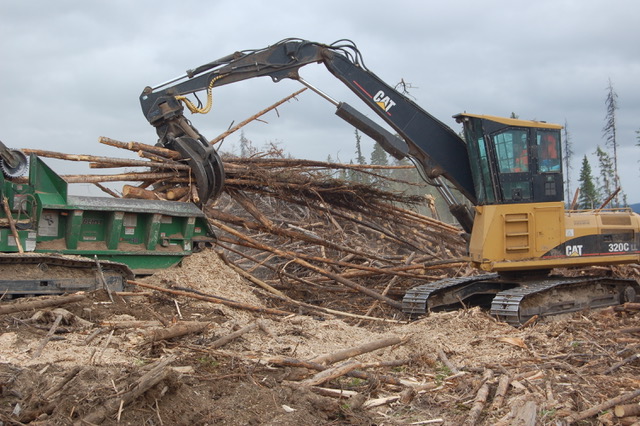
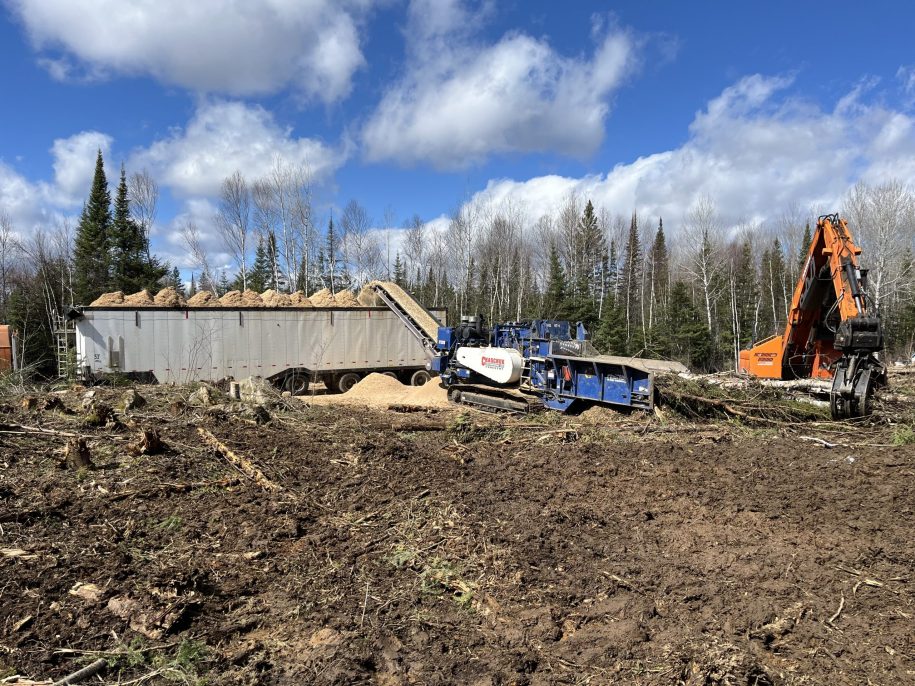
The Wood Pellet Association of Canada (WPAC), in collaboration with BioPower Sustainable Energy Corporation (BioPower), has completed a study that outlines the feasibility and economic implications of in-woods grinding to process forest biomass for wood pelletization in Ontario. The study, led by Dr. Fahimeh Yazdan Panah, WPAC’s Director of Research and Technical Development, highlights that forest biomass […]

Unlocking the Power of AI-Enhanced NIR Technology for Biomass Sorting

With the growing global demand for renewable energy and the increased use of forest residues left behind or burned after harvesting, the wood pellet industry is looking into optimizing feedstock. While using forest biomass holds great promise, it also brings challenges such as contamination, ash and moisture content variability and higher processing costs. The Wood […]