
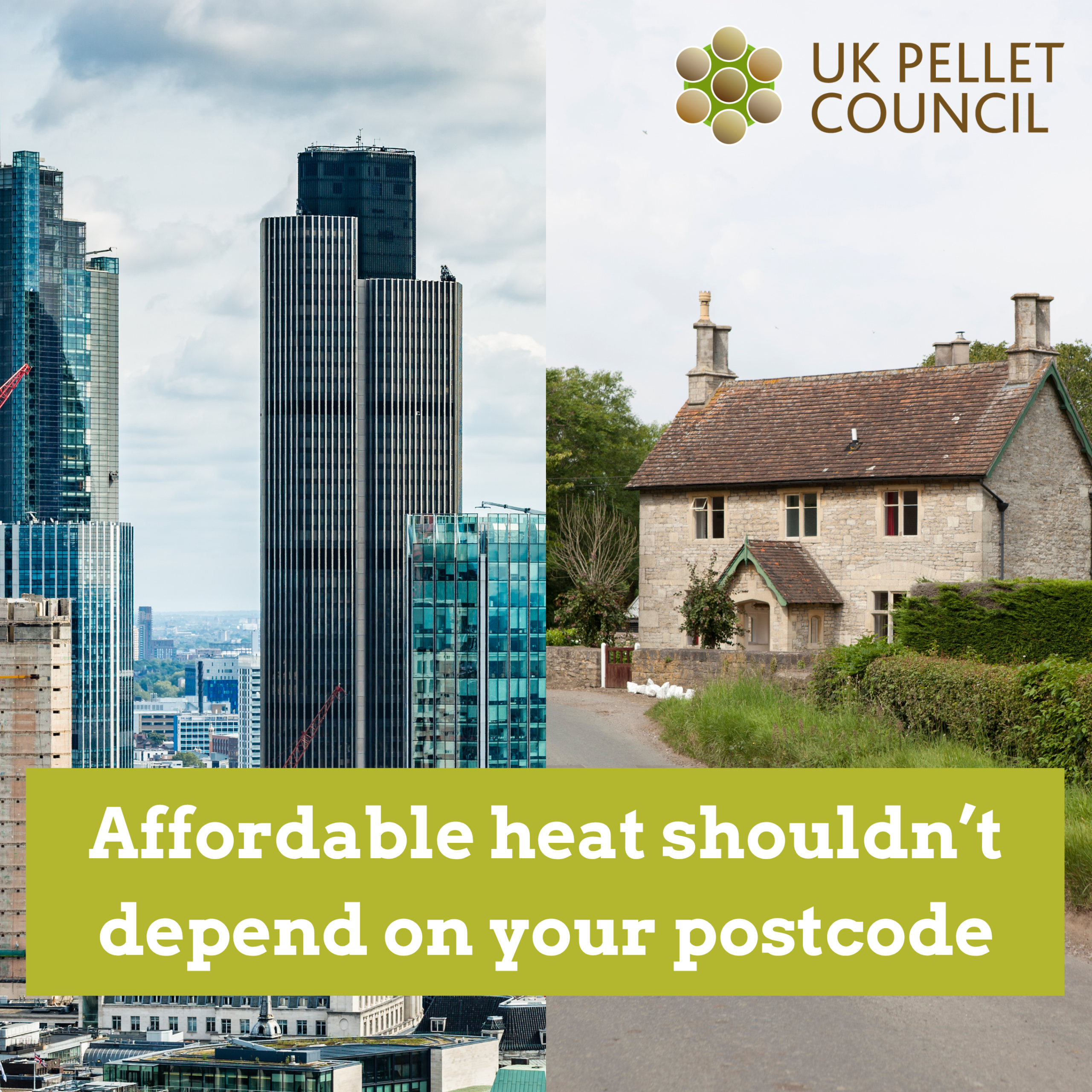
Affordable Heat Should Not Depend On Your Postcode
Rural homeowners to pay 50% more than those in the city.
On August 26th, 2026, Ofgem announced a 4% increase in the energy price cap, pushing bills to £1,723 for a typical household from October 1st through December 31st. Experts are also warning of a potential 9% spike in January if ongoing Middle East conflicts persist, bringing the total to £1,872, of which half is natural gas for heating.
For households connected to the gas and electricity grid, the Government has introduced measures including the removal of VAT from domestic electricity bills to help ease pressure on energy costs. But around 1.5 million homes across the UK are off the gas grid and rely on alternatives such as heating oil, LPG, and other fuels. These homes remain fully exposed to volatile prices and receive no price cap protection.
For a three-bed rural home using 2,000 litres of heating oil, this Winter’s heating bills will be £2,200 versus the £900 for a house in the city – pushing their combined heating and electricity to over £3,000. This highlights a wider question: if the Government’s ambition is good growth in every postcode, what does affordable heat in every postcode look like?
According to Boiler Juice data, heating oil prices have risen from around 60p to over 115p per litre between February and September 2026. This 80% increase is a severe cost of living challenge for rural households. Additionally, these figures are based upon ordering 1,000 litres while many consumers only order 300 litres at a time, thus paying an additional premium.
Urban households have the price cap and targeted adjustments quarterly, while many off the gas grid rural homes and businesses relying on heating oil, and the daily game of roulette choosing when to purchase their next fill as the price fluctuates. Building upon this pressure is the reality of upfront lump sums. Unlike gas and electricity users who spread their energy costs through predictable monthly direct debits, those relying on heating oil usually face minimum order quantities and must buy in bulk to fill a domestic tank, meaning a heavy one-off payment.
An alternative to heating a home with oil is ENplus® certified wood pellets, which offer a potentially more predictable pricing model. Pellet prices typically change only twice a year, whereas heating oil is a rollercoaster, with prices changing daily in response to global oil markets. For the homes that are “stuck” using heating oil because it would be even more costly to install a new, modern heat pump, wood pellet boilers could offer a more suitable option. However, the Government offers much lower subsidies for biomass boilers than heat pumps – particularly if you’re replacing heating oil as a fuel – and a heat pump may well be entirely unsuitable for that rural home.
The point is that one single technology will not work for every property. It is about ensuring that households and businesses have access to appropriate, affordable and lower-carbon heating options, wherever they are located and that they have the choice of the correct technology for their individual circumstances.
Scaling this sector doesn’t just offer another route towards more affordable heat, but it strengthens the UK’s energy security by utilising locally made sawmill and other wood residues to manufacture the pellets. This reduces our dependence on imported fossil fuels, aligns with decarbonisation goals and drives economic growth by supporting jobs and businesses in rural areas.
The Government’s focus on local power, place and giving communities greater control over their energy systems creates an opportunity to ask what this means for heating too. If the ambition is good growth in every postcode, then affordable and reliable heat should also be part of that conversation. Rural communities should not be left out of the transition simply because the challenges they face are different. Policy should recognise the needs of off the gas grid households and businesses, while supporting lower-carbon heating, domestic fuel production and rural economic growth.
Biomass Heat Works! backed by the UK Pellet Council, is calling on the UK Government to address the rural heat gap and explore practical ways to make affordable, reliable and lower-carbon heating accessible to more off the gas grid households and businesses.
Affordable heat should not depend on your postcode.